
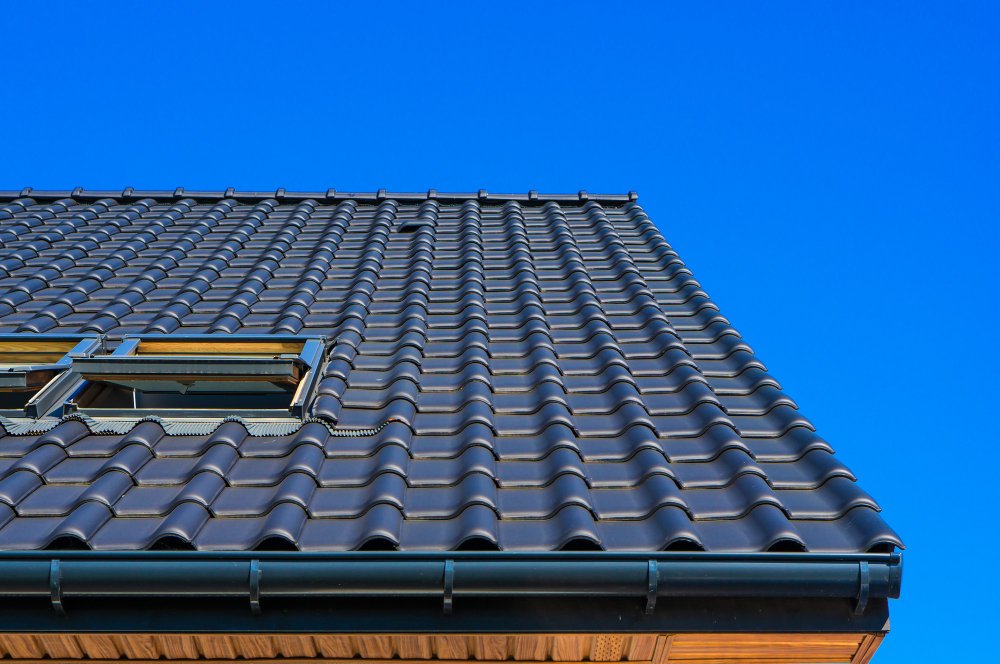
Your roof protects your home from rain, wind, and harsh weather every day. Over time, even the best roofing materials wear out. Knowing when to replace your roof can help you avoid costly repairs and protect your property.
1. Your Roof Is Over 20 Years Old
Most asphalt shingle roofs last between 20 and 30 years. If your roof is reaching the end of its lifespan, it’s a good idea to schedule a professional inspection.
2. Missing or Damaged Shingles
Shingles that are cracked, curled, or missing leave your roof exposed to water damage. Replacing a few shingles may solve the problem, but widespread damage often means a new roof is needed.
3. Water Leaks Inside Your Home
Water stains on ceilings or walls are often a sign that your roof is no longer keeping moisture out. Ignoring leaks can lead to mold and structural damage.
4. A Sagging Roof
A roof that appears uneven or sagging may indicate damage to the roof deck or supporting structure. This should be inspected as soon as possible.
5. Granules in Your Gutters
If you notice large amounts of shingle granules collecting in your gutters, your roofing material may be wearing out and losing its protective layer.
6. Frequent Repairs
If you’re calling for roof repairs every year, replacing the roof may be a more cost-effective long-term solution.
7. Moss or Algae Growth
While small patches are common, excessive moss can trap moisture and shorten the life of your roof if left untreated.
Final Thoughts
Replacing your roof at the right time helps protect your home, improve energy efficiency, and avoid expensive repairs. If you’ve noticed any of these warning signs, consider scheduling a professional roof inspection to determine the best solution.